
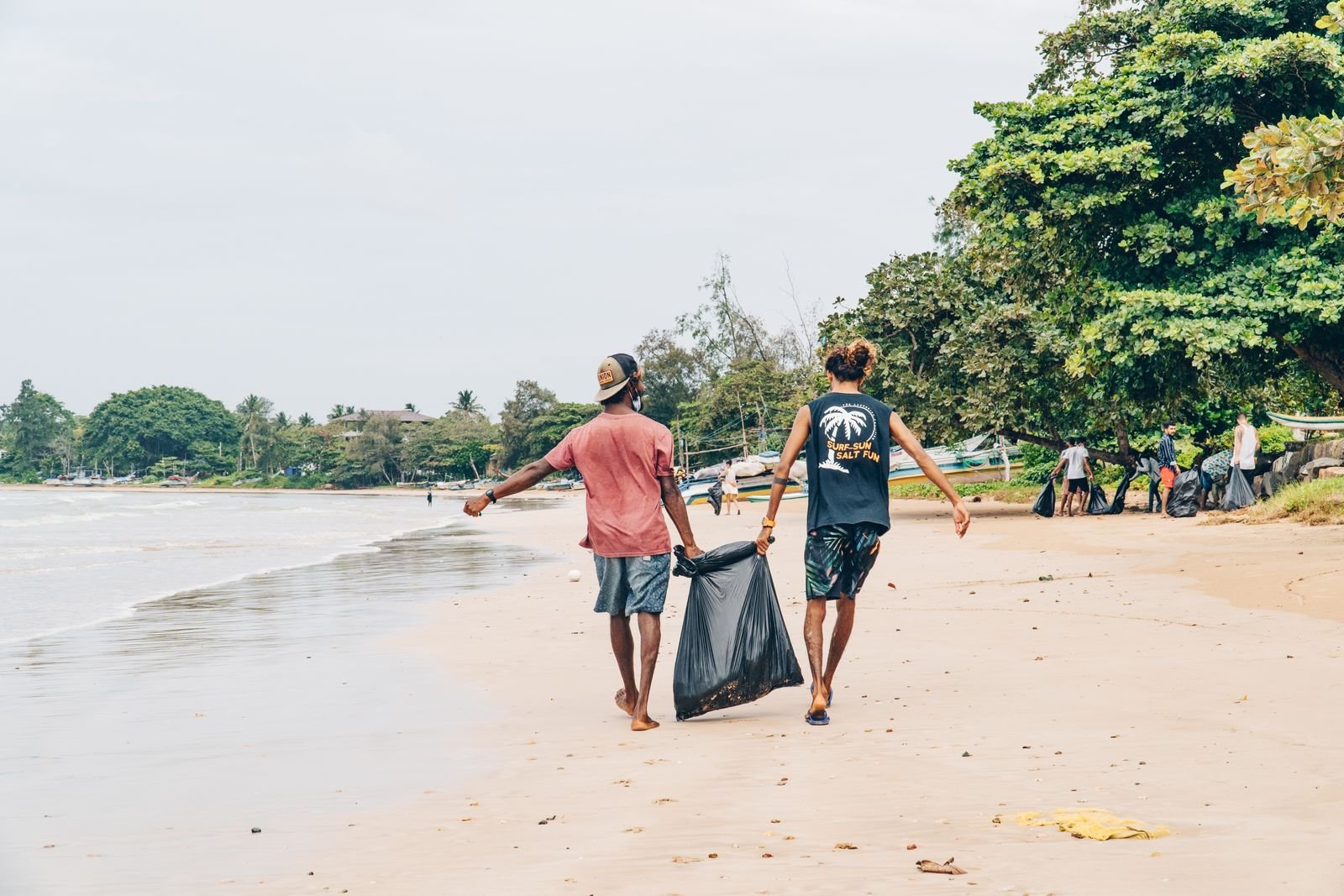
A beach cleanup is one of the most concrete ways to protect the sea: every bottle cap, cigarette butt or scrap of fishing net you pull out of the sand is one less item that can end up in the stomach of a seabird or a sea turtle. And anyone can do it, with no special skills or expensive gear.
It still pays to do it right. A poorly planned cleanup can damage the wrack line, disturb birds nesting on the sand or expose volunteers to dangerous objects. This guide explains how to join an existing event, how to organize your own, and which habits make sure your effort truly helps the ocean.
Why pick up trash on the beach?
Much of the litter found on coastlines comes from land: it is carried by rivers, wind and storm drains, or left behind by beachgoers. The United Nations Environment Programme points out that plastic makes up the bulk of marine litter. On the sand, it breaks down under sunlight and wave action until it turns into microplastics that later end up inside fish.
Picking up a piece of trash before the tide takes it back means acting at the last moment when it is still easy to recover. To grasp the scale of the problem, read our in-depth piece on plastic in the oceans.
Cleanups have a second, often overlooked benefit: data. When volunteers count and sort what they find, their records help nonprofits and public authorities identify the most common items and push for targeted measures, such as bans on certain single-use plastic products.
How to join a beach cleanup
This is the easiest way to get started. The organizer handles permissions, supplies and bag removal: all you have to do is show up.
Organizations and platforms worth knowing
- Surfrider Foundation: in Europe, its citizen cleanup program (Ocean Initiatives) lists hundreds of beach, river and lake cleanups. You can look for one near you or register your own.
- Ocean Conservancy’s International Coastal Cleanup: one of the largest volunteer efforts for the ocean, held every year in the fall in many countries.
- World Cleanup Day: every September, this global day brings together cleanups in countries around the world.
- Local groups: town halls, tourist offices, surf and dive clubs, marine parks and neighborhood associations often run their own events. Their social media pages are the best place to find dates.
What to bring
Organizers usually provide bags and sometimes gloves. Bring closed-toe shoes, weather-appropriate clothing, sunscreen, a cap and water in a reusable bottle. If you are unsure which one to choose, our comparison of filter water bottles and stainless steel bottles can help.
How to organize your own beach cleanup
You can always pick up a piece of litter on your own during a walk, with no formalities. As soon as you bring a group together, though, a few steps matter.
1. Notify the local authorities
Beaches are public land, and the town or park service usually maintains them. Let them know in advance: they can point out sensitive areas, arrange bag pickup and sometimes lend equipment. If the beach is inside a nature reserve, a protected area or a marine park, contact the site manager as well.
2. Pick the place, the date and the tide
Scout the beach a few days ahead to gauge the amount of trash and the access points. Check the tide table: a cleanup on a falling tide gives you more room and more time. The days after a storm often bring plenty of debris, but always check that the site is safe before bringing people there.
3. Gather the supplies
- Sturdy gloves for every participant, reusable if possible.
- Buckets or strong bags, reusable whenever you can (canvas totes, woven bags).
- A few litter pickers, so people don’t have to bend down constantly and touch the trash less.
- A first-aid kit, water and a rigid container for sharp objects.
4. Brief the volunteers
Before you start, take five minutes to go over the rules: what to pick up, what to leave, and what never to touch. Assign one person to handle hazardous items and another to keep count. If children are taking part, pair each of them with an adult.
5. Sort, weigh and share the results
At the end, gather the bags at the spot agreed with the authorities. If you can, separate clean recyclables and count the main categories: cigarette butts, bottle caps, food wrappers, plastic fragments, rope, cotton swabs. Logging your cleanup on a platform such as Surfrider’s or Ocean Conservancy’s adds your data to a wider monitoring effort.
What to pick up and what to leave
Not everything on the sand is trash. The wrack line, the strip of seaweed, driftwood and shells left by the high tide, is a living habitat: it feeds small crustaceans and insects, which are in turn eaten by shorebirds, and it traps the sand that builds dunes. Many nature site managers, including marine parks, recommend leaving it in place.
| What you find | What to do | Why |
|---|---|---|
| Plastics, cigarette butts, cans, packaging | Pick up | Human waste that breaks apart or injures wildlife |
| Rope, nets, fishing line | Pick up carefully | Entanglement risk for birds and seals |
| Seaweed, driftwood, shells | Leave in place | Wrack line: food and shelter for small wildlife, holds the sand |
| Syringes, broken glass | Rigid container, thick gloves | Risk of cuts or infection |
| Drums, chemical containers, distress flares, munitions | Do not touch, mark the spot and call emergency services | Toxic or explosive hazard |
| Stranded marine animal, alive or dead | Do not touch, call the local stranding network or authorities | Health risk and scientific value |
For a stranded dolphin or whale, the local marine mammal stranding network must be alerted. To understand why these animals strand and how they are rescued, read our article on stranded whales and dolphins.
Mistakes to avoid
- Clearing the wrack line: removing seaweed impoverishes the beach and speeds up erosion. Only pick up the human trash caught in it.
- Trampling the upper beach in spring: some birds, such as the Kentish plover, lay their eggs directly on the sand. Stay out of fenced areas and off the dunes.
- Using dozens of brand-new bags: favor buckets and reusable bags, and don’t hand out plastic water bottles.
- Leaving bags behind without an agreement: a forgotten bag can be torn open by gulls or washed away by the tide. Always arrange pickup with the authorities.
- Picking up trash bare-handed: even a simple bottle cap can hide a shard of glass. Gloves are a must.
- Taking sand, pebbles or shells home: removing them is often regulated on public shorelines. Only the trash leaves with you.
Going beyond the cleanup
A cleanup treats the symptom. To tackle the cause, the most effective step is still to cut waste at the source: a reusable bottle instead of a disposable one, a pocket ashtray, reusable containers for your picnic. Our tips to reduce your plastic footprint every day are a natural follow-up to a morning of cleanup.
You can also share your results with your town or with the businesses along the waterfront. Showing that one type of item keeps coming back, like cups from the same snack bar or cigarette butts near one beach access, is often the best way to win a local change.
Beach cleanup FAQ
Do you need permission to clean a beach?
Picking up a few pieces of litter on your own requires no paperwork. For a group event, it is strongly recommended to notify the local authorities, and the site manager if the beach is protected. Some places require advance notice or a permit.
When is the best time for a beach cleanup?
Fall and winter are ideal: storms wash up plenty of debris and birds are not nesting. In spring and summer, stay away from the upper beach and any fenced-off areas.
What should you do with the trash you collect?
Agree in advance with the authorities on a drop-off point or a pickup. Clean recyclables can go into recycling; the rest goes out with regular trash.
Can kids take part?
Yes, and it is a wonderful way to raise awareness. Give them gloves in their size, pair them with an adult and teach them never to touch sharp or unknown objects.
What if you find a dangerous object?
Do not touch it, move people away, note the location and call emergency services or the police. This applies to munitions, distress flares and containers with unknown contents.
Conclusion
A successful beach cleanup comes down to a few principles: notify the authorities, protect the wrack line and nesting birds, bring gloves and reusable containers, and share what you found. Whether you join an event or launch your own, every bag counts. And if you are heading to the coast on vacation, our tips on mass tourism and the coastline will help you keep these good habits all year long.