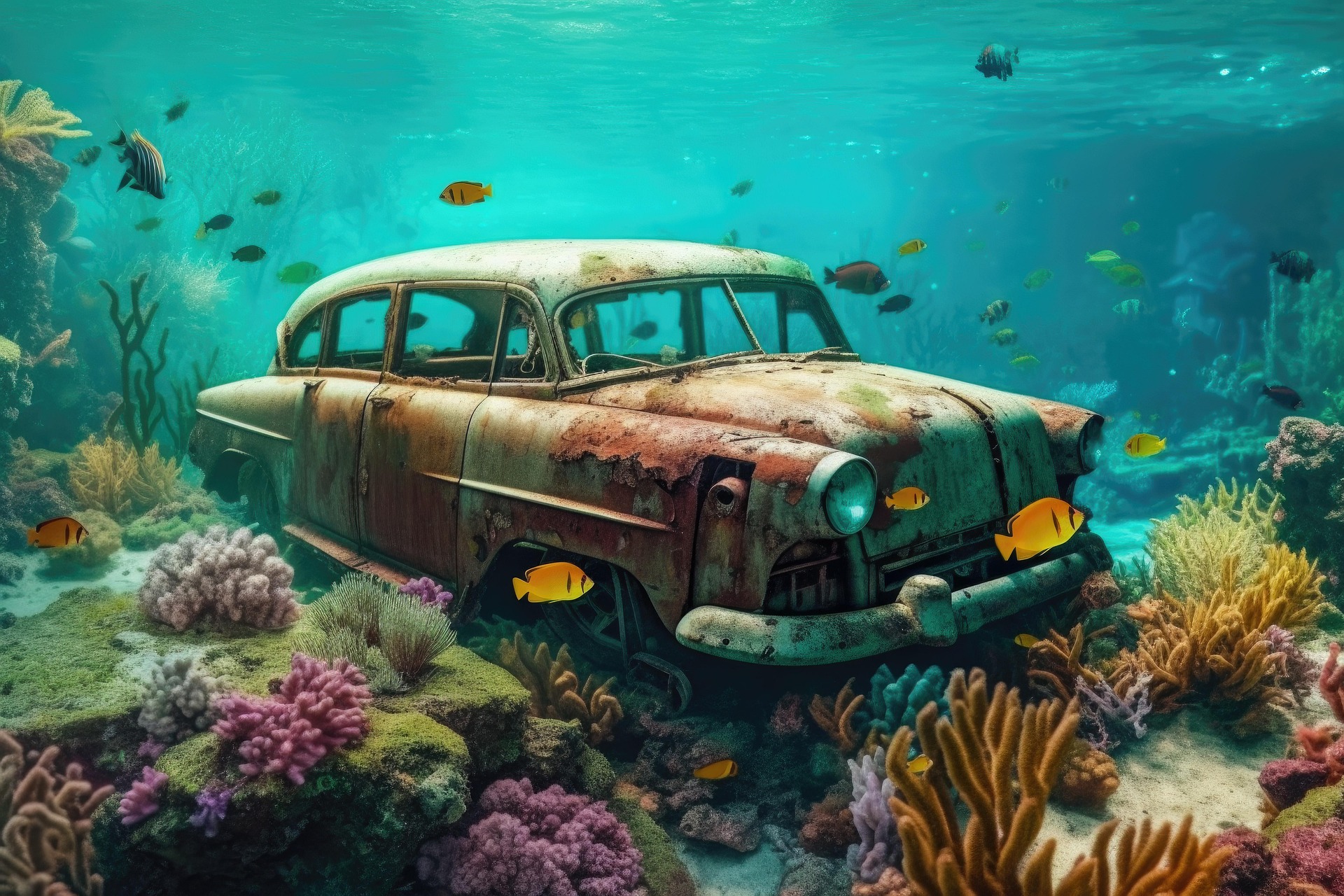
The oceans cover more than 70% of the Earth’s surface and play a vital role in regulating the climate, producing oxygen and sustaining millions of people. Yet they face serious threats: plastic pollution, overfishing, acidification, warming and the destruction of marine ecosystems. To safeguard this shared heritage, a number of practical solutions can be put into action.
1. Reduce plastic pollution
Every year, millions of tons of plastic end up in the oceans, threatening marine wildlife.
Solutions:
- Cut down on single-use plastics (bags, straws, bottles).
- Expand recycling and promote biodegradable alternatives.
- Take part in beach and shoreline cleanups.
2. Fight overfishing
Overfishing endangers many species and disrupts marine ecosystems.
Solutions:
- Support sustainable fishing managed through quotas.
- Choose seafood with responsible certifications (MSC, ASC).
- Create and strengthen marine protected areas.
3. Shrink our carbon footprint
Climate change drives ocean acidification and sea level rise.
Solutions:
- Use less fossil fuel and develop renewable energy.
- Eat less meat and favor local food.
- Promote low-carbon transportation (cycling, trains, carpooling).
4. Restore marine ecosystems
Mangroves, corals and seagrass meadows are essential for biodiversity.
Solutions:
- Replant mangroves and restore coral reefs.
- Protect coastal habitats from excessive development.
- Support scientific and community conservation projects.
5. Raise awareness and educate
Protecting the oceans also depends on collective awareness.
Solutions:
- Make ocean conservation part of school education.
- Encourage local and citizen-led initiatives.
- Use social media to share reliable information.
Conclusion
Protecting the oceans isn’t just an ecological necessity; it’s also a human and moral responsibility. Governments, businesses and citizens must act together to preserve these precious ecosystems. Each of us, in our own way, can adopt simple habits that, added together, make a big difference. 🌍💙