Marine protected areas (MPAs) are now recognized as one of the most effective tools for preserving ocean biodiversity and restoring degraded marine ecosystems. As our oceans face an unprecedented pile-up of threats — overfishing, pollution, climate change — these protected zones offer real hope for the future of marine life. But what exactly are they, and do they actually work? 🌊
Marine protected areas: definition and how they work
A marine protected area is a defined stretch of sea in which human activities are regulated or banned in order to protect ecosystems, biodiversity and natural resources. Levels of protection vary widely from one MPA to another: some ban all extractive activities (fishing, mining), others allow regulated small-scale fishing, and still others simply ban industrial fishing while permitting other uses.
The strictest MPAs — often called “no-take marine reserves” — where all extraction and disturbance is prohibited, show the best scientific results. They allow fish populations and ecosystems to recover without human interference, generating what is known as a “spillover effect”: species that thrive inside the reserve gradually spread into neighboring areas, benefiting the fishers who work around it.
The scientific evidence that they work
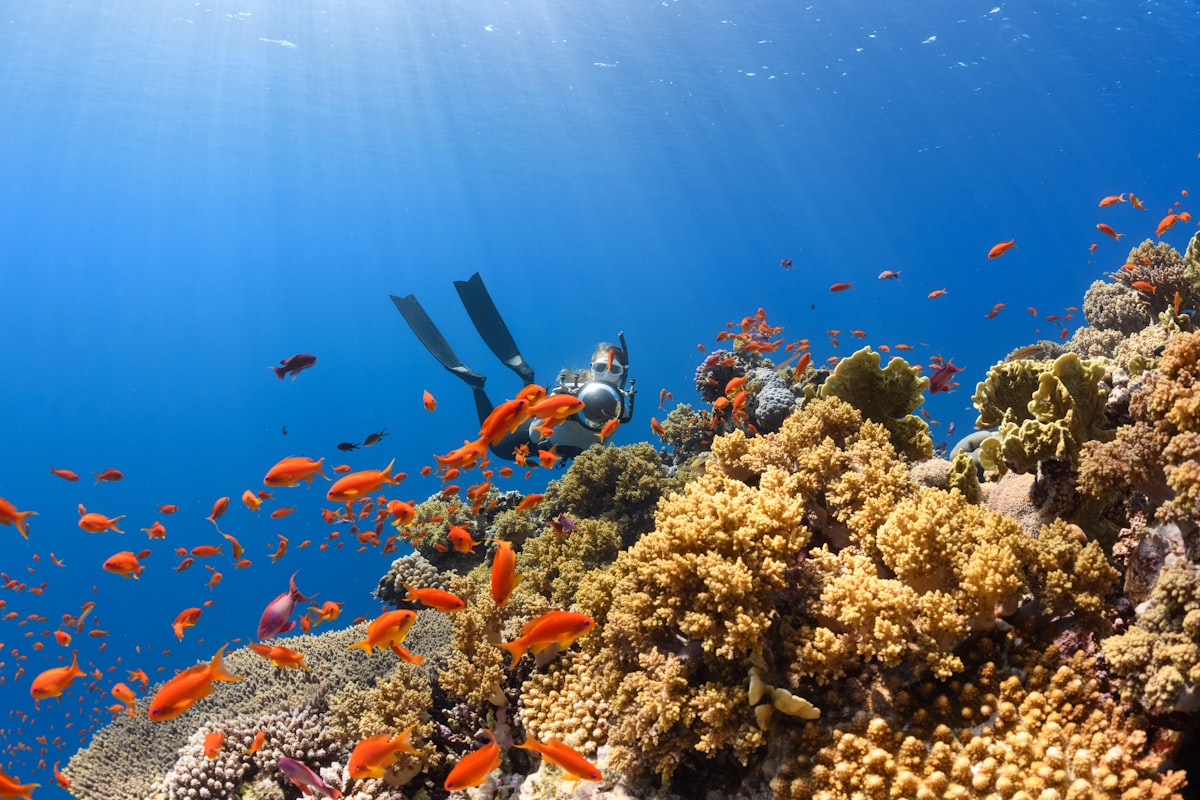
The scientific data on the effectiveness of well-managed MPAs speak for themselves. Meta-analyses covering hundreds of MPAs worldwide show that inside no-take reserves, fish biomass is on average 5 to 10 times higher than in adjacent unprotected areas. Individual fish are larger on average, species are more diverse, and natural behaviors (breeding, feeding, dispersal) are preserved.
The effect on small-scale fishing around MPAs is generally positive. Studies show an average 20% to 30% increase in catches in the buffer zones around reserves. As we explain in our article on small-scale vs industrial fishing, small-scale fishers working near MPAs often benefit directly from this spillover effect.
The 30×30 goal: protecting 30% of the oceans by 2030
In 2022, at the COP15 biodiversity summit in Montreal, the United Nations adopted the “30×30” target: protecting 30% of the planet’s land and oceans by 2030. Currently, only about 8% of the oceans are covered by MPAs — and only a fraction of those enjoy truly strict and effective protection.
Reaching the 30×30 goal is a huge political and logistical challenge. It means creating new MPAs in areas that are currently unprotected, improving the management of existing MPAs that are often underfunded, and negotiating international agreements to protect high seas areas that fall under no national jurisdiction — the famous “two-thirds of the ocean.”
The challenges of making them work
Creating an MPA is one thing — enforcing it is another. Many MPAs around the world are what researchers call “paper parks”: areas protected on paper but with no means of surveillance or enforcement on the ground. Illegal fishing remains common there, destructive activities continue, and the expected ecological benefits never materialize.
An effective MPA requires surveillance resources (maritime patrols, satellite technology), rigorous enforcement of the rules, buy-in and participation from local communities whose livelihoods are affected, and sustainable long-term funding. Green technologies such as marine drones and AI-powered monitoring are playing a growing role in managing them.
Inspiring examples around the world
Some MPAs stand out as global models. The Pelagos Sanctuary in the Ligurian Sea (France, Italy, Monaco) has protected one of the Mediterranean’s richest areas for whales and dolphins since 1999 — dolphins, fin whales, sperm whales. The Cook Islands in the Pacific created one of the world’s largest MPAs in 2012 (1.9 million km², or 734,000 sq mi), managed according to traditional Polynesian conservation principles. Mexico’s Cabo Pulmo marine reserve saw its fish biomass increase fivefold in the ten years after the reserve was created — a success story cited around the world.
How to support marine protected areas
As a citizen, there are several ways to support MPAs. Follow the rules carefully when visiting marine protected areas, support NGOs that campaign for creating and strengthening MPAs (Oceana, WWF, IUCN), and press local and national elected officials to champion the 30×30 goal in international negotiations. Responsible tourism in marine protected areas generates revenue that directly helps fund and manage them.