
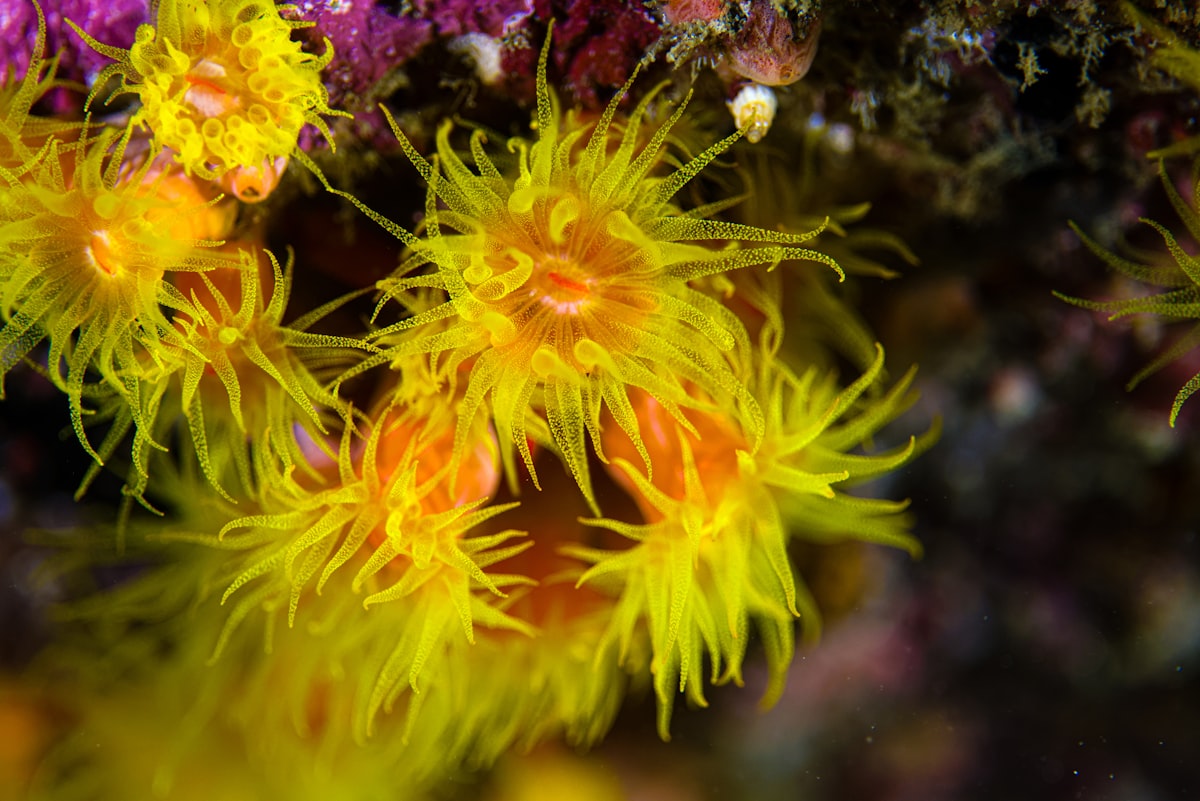
Seabed deforestation by bottom trawling is one of the most massive — and least known — forms of environmental destruction on the planet. Every day, bottom trawlers scrape millions of square kilometers of seafloor around the world, wiping out ancient ecosystems in minutes: a silent catastrophe unfolding hundreds of meters beneath the waves, far from anyone’s sight. 🌊
Seabed deforestation: an overlooked reality
Bottom trawling means dragging a weighted net across the seafloor to catch demersal species (cod, sole, shrimp, langoustines). Trawls flatten everything in their path: the net itself, the doors that hold it open and the chains in front of it physically destroy the living structures of the seabed — cold-water corals, sponges, sea lilies, tube worms — that provide habitat for hundreds of species.
Each year, bottom trawling is estimated to sweep an area of seafloor far larger than all the tropical forest cleared on land. Unlike deforestation on land, which is visible from space and well documented, the destruction of the seabed remains almost entirely invisible — which partly explains why it gets so little attention in public debate.
Ancient ecosystems destroyed in minutes
Cold-water corals are among the most spectacular victims of bottom trawling. These organisms grow at depths of 200 to 2,000 meters (650 to 6,500 ft) in dark, cold water, forming reefs with remarkable biodiversity — on par with tropical reefs in terms of species richness. Some cold-water corals are thousands of years old: Lophelia pertusa, the most widespread species in the North Atlantic, can live for more than 4,000 years.
A single pass of a trawl is enough to destroy, in minutes, what these organisms took centuries to build. Monitoring studies show that trawled seabeds take decades to recover — and in many cases, the damage is irreversible on a human timescale. As with tropical coral reefs, the destruction of cold-water reefs robs countless species of their breeding and feeding grounds.
The impact on biodiversity and fisheries
Trawling doesn’t just kill non-target species when it destroys seabed habitats — it undermines the very foundations of fishery productivity. Structured seabeds (reefs, sponge grounds, coral forests) are vital nursery areas for many commercial species. By wiping them out, bottom trawling is sawing off the branch it sits on, eventually reducing the productivity of the very grounds it fishes.
This reality captures the paradox at the heart of global overfishing: to maximize short-term catches, the industry destroys the conditions that would allow sustainable catches in the long run. It’s a disastrous economic calculation, made possible by massive public subsidies that shield the industry from ecological reality.
Alternatives to bottom trawling
Less destructive alternatives exist for catching demersal species. Pots and traps can catch shrimp, langoustines and crabs far more selectively and without harming the seabed. Longlines and bottom lines catch groundfish without razing habitats. These techniques, used by small-scale fishers, are more selective and have less impact — but they are less profitable at scale for industrial fleets.
The trawl itself can also be improved: raising the gear above the seabed to reduce contact, using lighter materials, precisely mapping sensitive areas to avoid. These measures, recommended by scientists for decades, run up against an industry whose subsidies let it sidestep normal economic constraints.
Toward a ban on deep-sea bottom trawling?
Pressure to ban or severely restrict deep-sea bottom trawling is mounting internationally. In 2023, the European Union adopted rules banning bottom trawling in certain European marine protected areas — a step welcomed by environmental NGOs, even if they consider it insufficient.
The campaign for a complete ban on bottom trawling on the high seas is drawing support from a growing number of scientists, NGOs and governments. New satellite monitoring technologies can now detect trawlers in real time and check whether they respect no-go zones — making stricter rules technically enforceable.
What you can do
Avoid fish and seafood caught by bottom trawling (hake, langoustines, uncertified northern shrimp) in favor of species caught by line or trap, support campaigns to ban deep-sea trawling, and choose MSC-certified products from certified fisheries that don’t use bottom trawls: these consumer choices send a direct economic signal to the industry and support responsible fishing.