
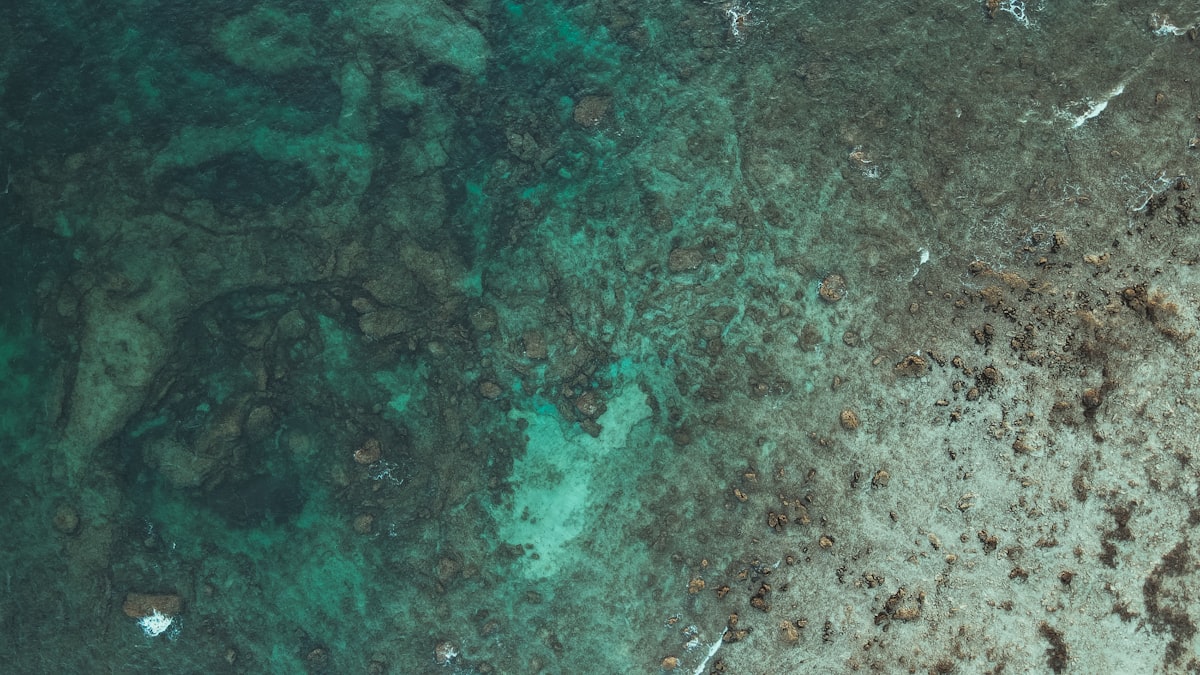
Seaweed, algae and ocean protection form a natural alliance that matters far more than most of us realize. These unassuming organisms, from microscopic phytoplankton cells to giant kelp forests dozens of meters tall, play a fundamental role in keeping our planet in balance, producing half the oxygen we breathe and locking away vast amounts of carbon. 🌿
Algae and ocean protection: unsung heroes
Phytoplankton, microscopic single-celled algae drifting in the ocean’s surface layers, is responsible for around 50% of the world’s oxygen production. Every other breath you take comes from the ocean. These tiny organisms use photosynthesis to absorb the CO2 dissolved in seawater and release oxygen, while forming the base of the entire marine food web.
Beyond oxygen, phytoplankton plays a crucial role in the carbon cycle. When it dies, part of its organic matter sinks to the seafloor and is buried in sediments for hundreds or thousands of years. This is known as the “biological pump.” Every year, this process removes hundreds of millions of tons of carbon from the atmosphere and the ocean’s surface layers.
Kelp forests: extraordinarily rich ecosystems
Kelp forests are one of the hidden wonders of our oceans. These giant brown algae (some species, such as Macrocystis pyrifera, can reach 50 meters (164 feet) tall and grow 60 cm (2 feet) a day) form underwater forests with biodiversity on a par with tropical rainforests. Found along temperate and cold coastlines worldwide (California, Chile, South Africa, Australia, Brittany in France), they shelter hundreds of species of fish, invertebrates and marine mammals.
Sea otters, which feed on sea urchins, play a key role in preserving kelp forests: by keeping in check the urchins that graze on kelp, they allow the forests to survive. When hunters wiped out sea otters in the 19th century, urchin populations exploded and vast kelp forests were destroyed, some of which have never recovered. It’s one of the most famous examples of a “trophic cascade” in marine ecosystems.
Seagrass meadows: underrated carbon sinks
Posidonia meadows in the Mediterranean and eelgrass beds in temperate regions are among the most valuable, and most threatened, coastal ecosystems. These marine plants (botanically distinct from algae, though often confused with them) capture carbon at a remarkable rate, up to 35 times more efficiently than land forests of the same area.
Mediterranean Posidonia meadows are especially threatened by boat anchors, coastal pollution and warming waters. Yet as we explain in our article on responsible seaside travel, simply anchoring in designated areas is enough to avoid destroying these fragile ecosystems.
Seaweed as a climate solution
Beyond their natural ecological role, algae are attracting growing interest as a technological solution to climate change. Start-ups and research centers are exploring large-scale seaweed farming to capture carbon, produce biofuels, replace petroleum-based plastics and even serve as feed supplements that cut methane emissions from livestock.
Offshore “kelp farm” projects are under development in several countries: these structures grow large quantities of seaweed, which is then either sunk to the seafloor to lock away its carbon or harvested as a raw material for bioplastics. These marine innovations could play a significant role in carbon capture strategies in the decades ahead.
Threats to marine algae
Despite their vital importance, marine algae are under threat on several fronts. Warming ocean waters are disrupting the distribution of phytoplankton, with some species shifting toward the poles and others disappearing from their traditional habitats. Ocean acidification affects some species of calcifying phytoplankton. Coastal pollution and eutrophication fuel toxic algal blooms at the expense of beneficial species.
Taking action to protect marine algae
Protecting seagrass meadows and kelp forests starts with simple habits: never pull up seaweed on a walk along the shore, anchor your boat only in authorized areas, and support policies that reduce the agricultural pollution behind coastal eutrophication. Eating sustainably farmed edible seaweed (wakame, nori, spirulina) supports an industry that makes the most of these organisms without harvesting them from natural ecosystems.