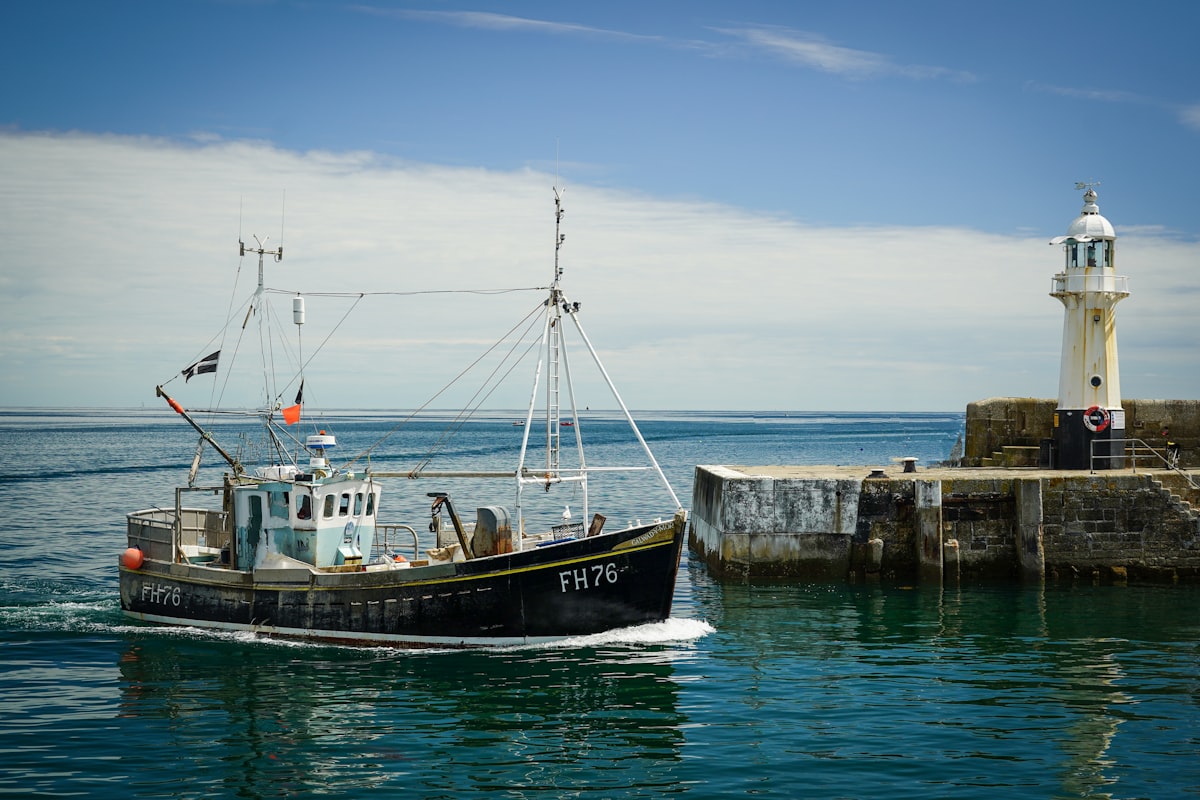
According to the UN Food and Agriculture Organization (FAO), about 34% of the world’s fish stocks are now fished at biologically unsustainable levels. In other words, we are taking more than nature can replenish. 🐟
A third of the oceans emptied of fish
Since the mid-20th century, global catches have increased fivefold. Bottom trawls scrape the seafloor, destroying corals, seagrass meadows and bottom-dwelling life. Bycatch (turtles, dolphins and sharks caught unintentionally) sometimes makes up 40% of the total, and is thrown back into the sea dead.
Every year, governments pay out around $35 billion in subsidies to the fishing industry, directly bankrolling fleet overcapacity.
Illegal fishing: an invisible scourge
Illegal, unreported and unregulated fishing accounts for 20% to 50% of global catches. Ghost fleets plunder the territorial waters of poor countries, robbing millions of small-scale local fishers of their resources.
Historic collapses
In 1992, Canada had to impose an emergency moratorium on Newfoundland cod. Thirty years later, the stock still hasn’t recovered. Atlantic bluefin tuna, Peruvian anchovy: examples of collapse are many and well documented.
Solutions that work
- Strict science-based quotas: Iceland, Norway and New Zealand have restored stocks once thought doomed.
- Marine protected areas: they boost catches in surrounding waters by 20% to 30%.
- MSC label (Marine Stewardship Council): it steers consumers toward sustainable fishing.
- AI and satellites: Global Fishing Watch detects illegal fishing in real time.
Read also : Sustainable Seafood: How to Choose It and Decode MSC, ASC, and Organic Labels