
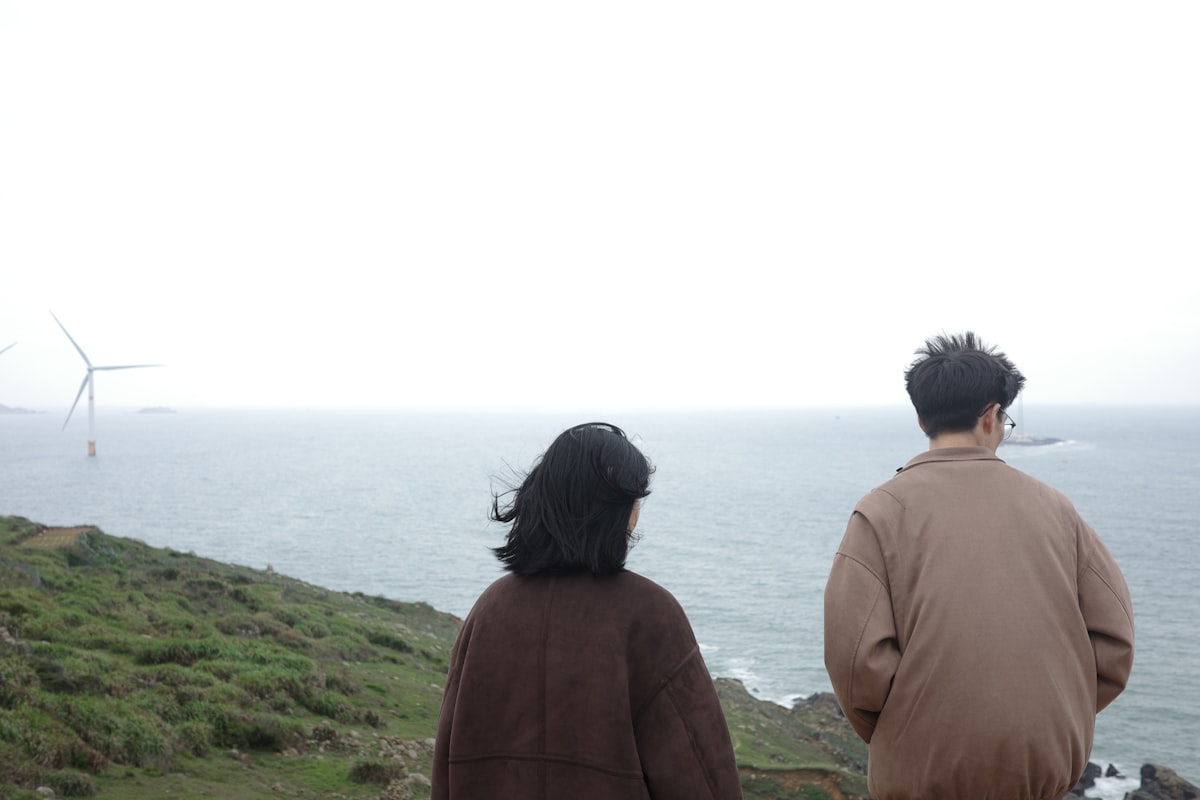
Offshore wind energy is becoming one of the pillars of the global energy transition. In the fight against climate change, wind farms at sea offer huge potential: stronger and steadier winds than on land, available space far from populated areas, and large-scale carbon-free electricity. But their massive rollout also raises legitimate questions about their impact on marine ecosystems. ⚡
Offshore wind energy: a booming sector
Global offshore wind capacity has grown tenfold in less than fifteen years. Northern Europe — the United Kingdom, Denmark, the Netherlands, Belgium, Germany — has led the way with offshore farms that power millions of homes. China caught up with and then overtook Europe in installed capacity, and the United States, long a laggard, is now rapidly developing its first offshore installations.
France, with 5,500 km (3,400 mi) of coastline, has considerable theoretical potential but has been slow to develop the industry. Its first commercial wind farms (off Saint-Nazaire and Fécamp) came online recently, and many projects are in development along the Atlantic, English Channel and Mediterranean coasts. The new generation of floating wind turbines, which can be deployed in deep water, opens up new prospects for countries like France whose continental shelf is often narrow.
Benefits for the climate — and indirectly for the oceans
Offshore wind produces electricity with no CO2 emissions during operation, directly helping to decarbonize our economies. And climate change is one of the gravest threats to marine ecosystems — warming waters, acidification, rising sea levels, bleaching of coral reefs. By replacing fossil fuel power plants, every kilowatt-hour of offshore wind indirectly helps protect the oceans.
Another often-overlooked benefit: the foundations and cables of offshore turbines form artificial reefs that are quickly colonized and become remarkable biodiversity hotspots. Studies of offshore wind farms in the North Sea show that turbine foundations host communities of marine organisms — mussels, sponges, anemones, fish — far denser than on the surrounding sandy seabed. These areas, effectively shielded from bottom fishing by the presence of the structures, act as refuges and nurseries for many species.
Potential impacts on marine life
Offshore wind development is not without effects on marine ecosystems, and it is important to assess them honestly. The construction phase has the greatest impact: driving piles into the seabed generates extremely high noise levels that can injure or kill whales, dolphins and fish within a radius of several kilometers. Noise mitigation systems (bubble curtains, cofferdams) can reduce this impact, but they are only partly effective.
Underwater noise pollution while turbines are operating is more moderate than during construction, but it still needs monitoring. Subsea power cables generate electromagnetic fields that can disturb electrosensitive species such as sharks and rays. The impact on marine mammals is still debated in the scientific community.
For seabirds and bats at sea, the risk of collision with the blades is real, although studies show that adult seabird populations generally seem to avoid offshore wind farms. Noise and light disturbance can disorient migratory species.
How to minimize the impacts: best practices
The key to developing offshore wind in a way that is compatible with protecting marine ecosystems lies in rigorous marine spatial planning and good environmental practice. Sensitive habitats must be excluded from development zones — spawning grounds, whale migration routes, important small-scale fishing grounds, seabird feeding areas. Thorough environmental impact assessments, carried out over several years before any construction, are essential.
During construction, seasonal restrictions on the noisiest work help protect critical breeding and migration periods. Environmental monitoring during and after construction makes it possible to detect unforeseen impacts quickly and adjust practices accordingly.
A necessary tool, to be deployed wisely
Offshore wind energy is a necessary tool for the energy transition, and by cutting CO2 emissions it ultimately benefits the oceans by slowing climate change. But its rollout must be carefully planned, steering clear of the most sensitive marine areas and applying strict mitigation measures during construction. The principles of a sustainable blue economy should guide this development so that it contributes both to decarbonization and to the preservation of marine biodiversity.