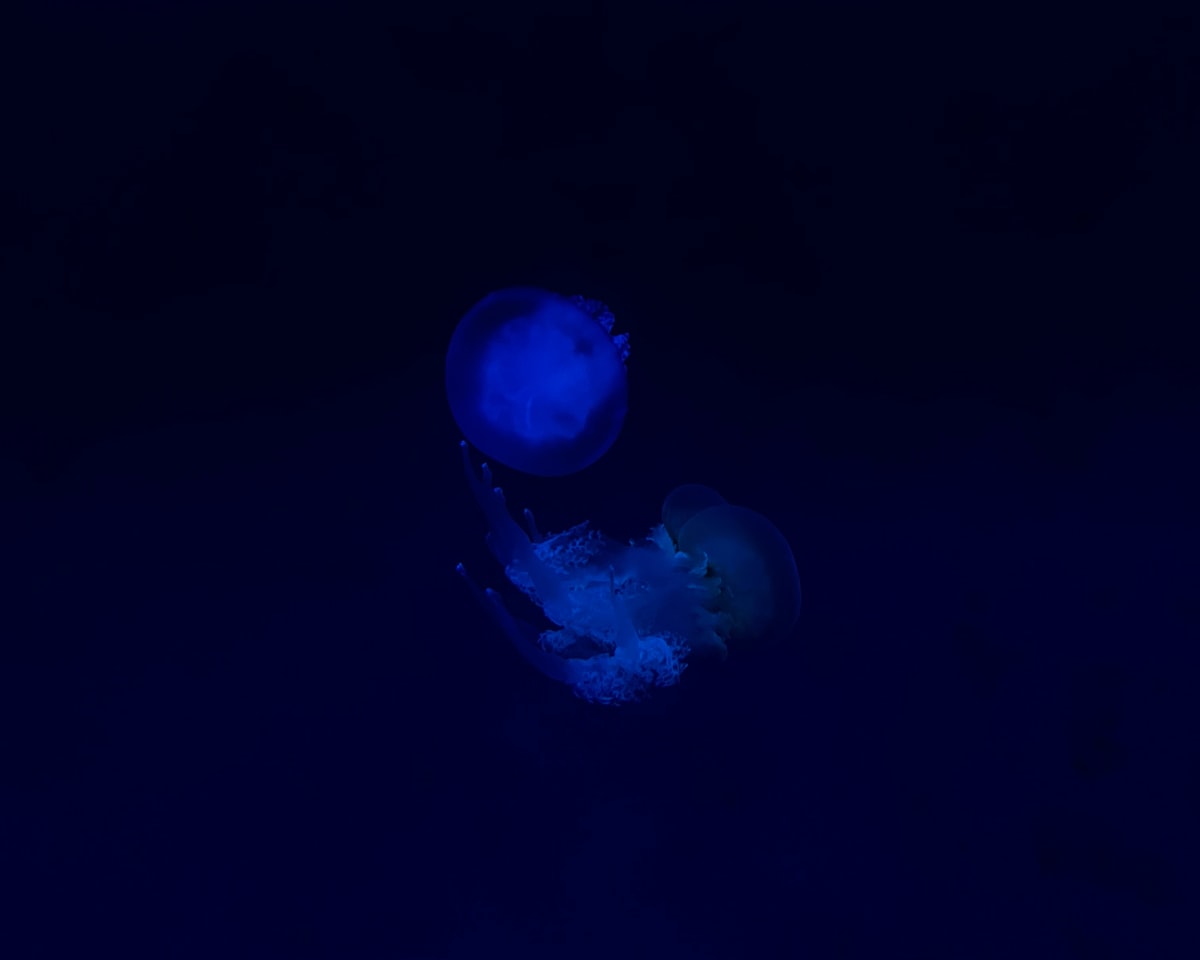
Invasive jellyfish in the oceans have become one of the most visible symbols of the upheaval our seas are going through. Every summer, jellyfish swarms on Mediterranean and Atlantic beaches make headlines, shut down seawater pools and bring nuclear power plants to a halt by clogging their cooling systems. But what do these population explosions really tell us about the state of our oceans? 🪼
Invasive jellyfish: a growing phenomenon
Since the 1980s and 1990s, scientists have documented an increase in jellyfish blooms in many parts of the world. The Mediterranean, the North Sea, the coasts of Japan, Chesapeake Bay in the United States, the Black Sea: jellyfish “blooms” (population explosions) are becoming more frequent and more intense, and they are hitting areas where they used to be rare. The mauve stinger (Pelagia noctiluca) in the Mediterranean, the Atlantic sea nettle (Chrysaora quinquecirrha) in U.S. Atlantic estuaries, Nomura’s jellyfish in Japan, which can weigh up to 200 kg (440 lb): the species involved are remarkably diverse.
Beware of observation bias, however: jellyfish populations have always fluctuated widely in nature, and the rise in scientific monitoring and citizen reports (through apps such as Meduse Alerte) can amplify the perception of a boom. Even so, rigorous scientific analyses comparing data over long periods confirm an upward trend in several ocean basins.
Climate change: a bloom accelerator
Jellyfish are particularly well adapted to warm water and environmental disruption. Ocean warming boosts them in several ways: it speeds up their growth and reproduction, stretches their active season across the year, and pushes their range toward higher latitudes.
Ocean acidification also plays a part: while it harms many calcifying organisms, jellyfish, which have no calcium carbonate skeleton, are largely spared, giving them a competitive edge in increasingly acidic waters. They also cope better than many species with the oxygen-poor waters of coastal dead zones.
Overfishing: freeing jellyfish from their predators
Overfishing is probably one of the biggest factors behind jellyfish blooms. The species that feed on jellyfish (tuna, sea turtles, swordfish and some seabirds) have been drastically depleted by industrial fishing. Remove the predators, and you lift a major natural check on jellyfish numbers.
On top of that, jellyfish and fish compete for the same prey: zooplankton, small crustaceans, fish eggs and larvae. In ecosystems stripped of fish, jellyfish can take over these resources and thrive in the “ecological vacuum” left behind by vanished competitors. Some researchers talk about “jellyfish oceans” to describe an alternative stable state that some heavily degraded ecosystems could slip into.
Economic and health impacts
Jellyfish blooms have real and significant economic consequences. Closed beaches and seawater pools cut into summer tourism revenue. Jellyfish clog fishing nets and contaminate catches. They invade the cooling systems of coastal power plants and industrial facilities, forcing costly shutdowns. In the Mediterranean, several French and Spanish nuclear plants have had to cut output because of jellyfish invasions.
On the health front, stings from some species can be painful and trigger severe allergic reactions. The Portuguese man o’ war (Physalia), whose tentacles can reach 10 meters (33 feet) and whose sting is especially venomous, is blown toward Atlantic coasts by westerly winds in summer, causing many incidents on beaches.
Jellyfish: a resource worth tapping?
With jellyfish on the rise, some researchers and entrepreneurs suggest turning them into a resource rather than a nuisance. Jellyfish have been eaten in Asia (China, Japan, South Korea) for thousands of years. European researchers are exploring industrial uses: extracting collagen for medical and cosmetic applications, producing degradable bioplastics and making aquaculture feed.
Putting jellyfish to economic use won’t solve the underlying problems (climate change, overfishing, coastal pollution) that drive their spread. But it could help turn an economic threat into an opportunity, while easing the pressure on invaded ecosystems here and there.
What jellyfish blooms are telling us
Jellyfish are excellent indicators of ocean health. When they proliferate, it’s a sign that something is wrong: ecological balances are disrupted, predators are missing, waters are too warm or too low in oxygen. The best way to fight jellyfish invasions isn’t to battle them directly, but to tackle the root causes: cut greenhouse gas emissions, end overfishing, reduce coastal pollution and restore marine biodiversity.